Proactive Customer Engagement: How to Build an Engine Your Customers Feel

Updated: Dec 31

TL;DR
Proactive customer engagement transforms reactive customer service into preventative relationship building that drives revenue and retention.
Key findings: 86% of customers will pay more for great customer experience, yet only 13% receive proactive service according to Gartner. Fully engaged customers represent a 23% premium in revenue and profitability compared to average customers.
This guide covers building touchpoint maps, implementing listen-act-measure loops, creating engagement playbooks, and leveraging automation to consistently surprise and delight customers before issues arise.
The Costly Reality of Reactive Customer Management
Most businesses operate in firefighting mode, responding to customer concerns only after problems surface. This reactive approach costs more than you realize. US businesses lose an estimated $35.3 billion annually due to negative customer experience issues, while after just two poor experiences, 86% of consumers will switch to competitors.
The math is stark: customers who were satisfied with past experiences increased spending by 140% over those who had negative interactions. Yet most companies remain trapped in reactive cycles, addressing issues only after customer frustration peaks and loyalty erodes.
Proactive customer engagement flips this script entirely. Instead of waiting for problems to emerge, you anticipate needs, prevent issues, and create value before customers even realize they need it. This fundamental shift from reactive to proactive transforms customer relationships from transactional exchanges into lasting partnerships that drive sustainable growth.
Proactive vs Reactive Customer Service

Reactive customer service follows a predictable pattern: customer encounters problem → customer contacts support → support attempts resolution → outcome determines satisfaction. This approach burns resources on damage control rather than prevention.
Proactive customer service operates differently: analyze customer data → identify potential issues or opportunities → reach out with solutions or value → strengthen relationship before problems arise. This prevention-focused model builds trust and loyalty while reducing support costs.
The opportunity gap is massive. While 73% of customers say customer experience is their top consideration when deciding whether to purchase, and 72% will only interact with personalized messaging, most businesses still wait for customers to initiate contact.
Consider the typical customer lifecycle: onboarding, feature adoption, renewal periods, expansion opportunities. Each phase presents predictable challenges and opportunities. Proactive engagement means reaching out during these critical moments with relevant resources, check-ins, and solutions before customers struggle or churn.
How To Map Your Customer Touchpoint Ecosystem
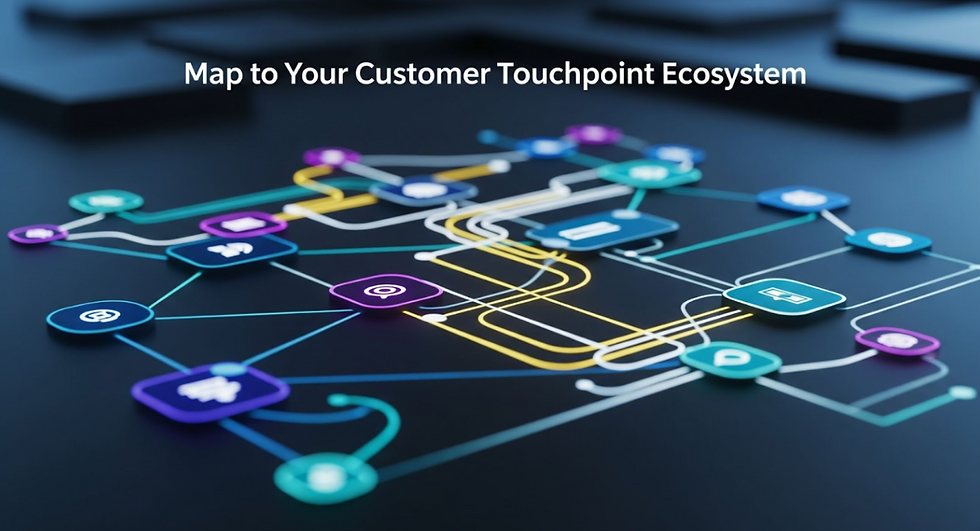
Effective proactive engagement begins with comprehensive touchpoint mapping. Every interaction between your customer and your business represents an opportunity to strengthen or weaken the relationship. Understanding these moments allows you to design intentional engagement sequences that guide customers toward success.
Start by documenting all customer touchpoints across the entire lifecycle. Initial touchpoints include marketing interactions, sales conversations, and onboarding sequences. Active usage touchpoints encompass product interactions, support requests, and feature adoption milestones. Expansion touchpoints involve renewal discussions, upgrade opportunities, and referral programs.
For each touchpoint, identify the customer's likely emotional state, primary concerns, and desired outcomes. A customer three days after purchase might feel excited but overwhelmed. Someone approaching renewal might experience anxiety about value received versus cost. Understanding these emotional contexts allows you to craft proactive outreach that resonates.
Next, analyze your data to identify patterns. When do customers typically encounter friction? What behaviors predict churn or expansion? Which touchpoints correlate with high satisfaction scores? This analysis reveals where proactive intervention delivers maximum impact.
Building Your Customer Engagement Playbook
A systematic engagement playbook transforms proactive customer service from ad-hoc activities into consistent, scalable processes. Your playbook should define triggers, messages, timing, and ownership for each type of proactive outreach.
Health Check Sequences form the foundation of proactive engagement. Based on usage data, satisfaction scores, and lifecycle stage, you can automatically trigger check-in sequences. A customer showing decreased usage might receive educational resources and an offer for a strategy session. Someone approaching renewal gets success stories and ROI calculations specific to their industry.
Milestone Celebrations create positive touchpoints throughout the customer journey. First successful login, achievement of key outcomes, anniversary dates—these moments offer natural opportunities for congratulatory outreach that reinforces value and strengthens emotional connection.
Educational Campaigns position you as a trusted advisor rather than just a vendor. Share industry insights, best practices, and relevant trends based on customer segment and usage patterns. This value-first approach builds credibility and keeps your brand top-of-mind during decision-making moments.
Surprise and Delight Initiatives create memorable experiences that customers share with others. 72% of customers will share positive experiences with six or more people, while poor experiences get shared with 15 or more people. Strategic surprise moments—unexpected upgrades, exclusive content, early access to features—generate positive word-of-mouth marketing.
The Listen-Act-Measure Framework for Proactive Success

Sustainable proactive engagement requires a systematic approach to gathering insights, taking action, and measuring results. The Listen-Act-Measure framework provides this structure.
Listen encompasses all methods of gathering customer intelligence. Direct feedback through surveys and conversations provides explicit insights into customer needs and satisfaction. Survey response rates can exceed 85% when well-executed, making customer feedback a reliable data source. Behavioral data from product usage, support interactions, and engagement metrics reveals implicit signals about customer health and needs.
Social listening captures conversations about your brand, competitors, and industry trends. This broader market intelligence helps you anticipate shifts in customer expectations and proactively address emerging concerns before they impact your customer base.
Act translates insights into targeted interventions. Automated triggers based on usage patterns can queue health-check calls or educational resources. Personal outreach from account managers can address specific concerns identified through feedback or behavioral analysis. Product teams can prioritize features based on customer requests and pain points identified during the listen phase.
The key is speed and relevance. Customers are 2-4x more likely to remain loyal when issues are resolved quickly. Proactive action should feel timely and personalized, demonstrating that you understand and value each customer's unique situation.
Measure closes the loop by tracking the impact of proactive interventions. Customer satisfaction scores, retention rates, expansion revenue, and support ticket volume all provide metrics for evaluating engagement effectiveness. More sophisticated measurement includes customer lifetime value changes, net promoter scores, and effort scores that capture the broader impact of proactive service.
Sample Proactive Engagement Calendar and KPI Dashboard
Successful proactive engagement requires structured planning and consistent execution. A sample monthly engagement calendar might include:
Week 1: Health Check Focus
Automated usage analysis identifies at-risk accounts
Account managers receive prioritized outreach lists
Health-check calls scheduled for high-value, declining-usage customers
Educational resources sent to customers showing specific usage patterns
Week 2: Success Amplification
Identify customers achieving key milestones or showing strong growth
Send congratulatory messages and case study requests
Offer referral incentives to satisfied customers
Share relevant industry insights based on customer segment
Week 3: Renewal Preparation
Analyze accounts approaching renewal dates
Compile ROI reports and usage summaries
Schedule strategic planning sessions with key accounts
Address any outstanding support issues or feature requests
Week 4: Innovation and Expansion
Share product roadmap updates with relevant customers
Identify expansion opportunities based on usage patterns
Send beta invitations to engaged power users
Conduct competitive intelligence briefings for strategic accounts
Your KPI dashboard should track both leading and lagging indicators of engagement success:
Metric Category | Key Indicators | Target Ranges |
Engagement Quality | Proactive touchpoints per month, Response rates to outreach, Customer engagement scores | 3-5 touchpoints, >40% response rate, >8/10 engagement score |
Business Impact | Net retention rate, Customer lifetime value, Support ticket reduction | >110% net retention, +15% CLV growth, -20% reactive tickets |
Regular analysis of these metrics helps you optimize timing, messaging, and channel selection for maximum engagement impact.
Technology Integration: Automating Proactive Touches

Modern proactive engagement relies heavily on technology integration to scale personalized outreach. Customer relationship management systems serve as the central hub for customer data, interaction history, and engagement scheduling. Integration with product usage analytics provides real-time insights into customer behavior and health scores.
Marketing automation platforms enable sophisticated triggering based on behavioral patterns, milestone achievements, and risk indicators. These systems can automatically send personalized emails, schedule follow-up tasks for account managers, and even trigger phone calls based on specific customer actions or inaction.
Advanced implementations leverage artificial intelligence to predict customer needs and recommend optimal engagement strategies. AI increases customer satisfaction scores by an average of 12%, while predictive analysis can result in a 20% increase in customer satisfaction.
The goal isn't to replace human interaction but to ensure it happens at the right moments with relevant context. Technology handles routine monitoring and triggering, while humans focus on high-value conversations and relationship building.
Preventative Churn: Early Warning Systems That Work

Churn prevention traditionally focuses on saving customers who have already decided to leave. Proactive engagement shifts this approach to identifying and addressing churn risks before customers mentally check out.
Effective early warning systems combine multiple data sources to create comprehensive customer health scores. Usage metrics reveal engagement levels and feature adoption patterns. Support interaction history identifies customers experiencing repeated friction. Satisfaction survey responses provide direct insight into sentiment changes.
Behavioral indicators often precede explicit complaints by weeks or months. Decreased login frequency, reduced feature usage, delayed payments, or increased support requests all signal potential churn risk. By monitoring these indicators systematically, you can intervene before customers reach the point of no return.
Intervention strategies should match the specific risk factors identified. Customers struggling with feature adoption need educational resources and training. Those experiencing technical issues require priority support and possibly process improvements. Customers questioning value need ROI analysis and strategic planning support.
The most effective churn prevention combines data-driven identification with human relationship building. While systems can flag at-risk accounts, successful retention typically requires personal outreach that addresses specific concerns and reinforces value.
Advanced Surprise-and-Delight Strategies
Moving beyond basic proactive service, surprise-and-delight strategies create memorable experiences that generate emotional connection and customer advocacy. These initiatives should feel genuine and valuable rather than promotional or self-serving.
Exclusive access programs give your best customers early access to new features, industry reports, or educational content. This insider status makes customers feel valued while providing your business with valuable feedback and beta testing support.
Unexpected value delivery might include complimentary services, account upgrades, or relevant third-party resources that benefit customers without directly promoting your business. The key is understanding what your customers value beyond your core product or service.
Recognition programs celebrate customer achievements and milestones. Featuring customer success stories, nominating clients for industry awards, or simply acknowledging business anniversaries shows that you pay attention to what matters to them.
Personalization at scale becomes possible through smart use of customer data and automation. Birthday messages, industry-specific insights, and role-based content recommendations all demonstrate attention to individual customer needs while remaining scalable across your customer base.
Partner with Tendril for Consistent Proactive Engagement
Building a proactive customer engagement engine requires the right combination of strategy, technology, and consistent execution. While the frameworks outlined here provide a roadmap, implementing and maintaining proactive touchpoints at scale presents real operational challenges.
Tendril specializes in helping B2B companies build systematic approaches to customer engagement that drive retention and growth. Our Connect platform enables fast yet personalized outreach sequences that feel human and relevant.
We understand that proactive engagement isn't just about preventing churn, but more about creating customers who become advocates and growth drivers for your business.
The companies that thrive in today's competitive landscape are those that make their customers feel truly valued and supported. If you're ready to transform your customer relationships from reactive support to proactive partnership, let's discuss how Tendril can help you build an engagement engine your customers will actually feel.
Contact us today to explore how our solutions can accelerate your proactive customer engagement strategy.

FAQs
How long does it take to see results from proactive customer engagement strategies?
Most companies begin seeing improved customer satisfaction scores within 30-60 days of implementing proactive engagement programs. However, meaningful impact on retention rates and revenue typically becomes evident after 3-6 months of consistent execution. Early indicators include increased response rates to outreach, higher engagement scores, and reduced reactive support volume.
The key is maintaining consistency during the initial implementation period while refining your approach based on customer feedback and engagement metrics.
What's the ideal budget allocation for proactive vs reactive customer service?
Industry best practices suggest allocating 60-70% of customer service resources to proactive initiatives, with 30-40% reserved for reactive support. This ratio may seem counterintuitive, but proactive investment reduces reactive demands over time. Start with a 50/50 split and gradually shift resources toward proactive activities as you build capabilities and see results.
Companies with mature proactive programs often achieve 80/20 ratios while maintaining higher customer satisfaction than reactive-heavy approaches.
How do you prioritize which customers receive proactive outreach first?
Prioritization should balance customer value, risk level, and engagement potential. Start with high-value customers showing early warning signs of churn or expansion opportunities. Next, focus on newer customers during critical onboarding phases when proactive support prevents future issues.
Finally, engage highly satisfied customers who could become advocates or referral sources. Use scoring models that weight factors like revenue, usage trends, satisfaction scores, and lifecycle stage to create systematic prioritization rather than gut-feel decisions.
What customer data is most important for effective proactive engagement?
The most valuable data combines behavioral patterns, satisfaction indicators, and business context. Product usage metrics reveal engagement levels and potential friction points. Support interaction history identifies customers experiencing repeated challenges.
Satisfaction survey responses provide direct insight into sentiment changes. Business information like renewal dates, contract terms, and growth stage help time outreach appropriately. Integration across these data sources creates comprehensive customer health scores that enable targeted proactive interventions.
How can small businesses implement proactive engagement without dedicated customer success teams?
Small businesses can start with simple automated sequences triggered by key customer behaviors or milestones. Use existing CRM and email marketing tools to create basic health-check campaigns, milestone celebrations, and educational content series.
Focus on high-impact, low-effort activities like renewal reminders, onboarding check-ins, and success story requests. As you grow, consider outsourcing specific proactive activities to specialized partners or gradually building internal capabilities. The key is starting with systematic approaches rather than ad-hoc efforts, regardless of team size.


Comments